
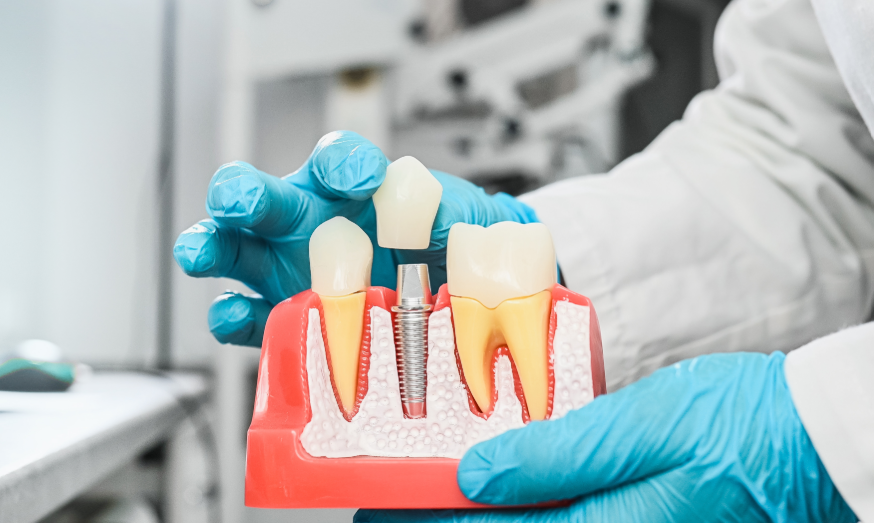
If you’re missing one or more teeth and have diabetes, you may be wondering whether dental implants are a safe and realistic option. The short answer is yes—patients with diabetes can often receive dental implants successfully. However, careful planning, good health management, and professional oversight play an important role in ensuring the best possible outcome.
Dental implants rely on a process called osseointegration, where the implant fuses with the jawbone. Since diabetes can affect healing and the body’s ability to regulate blood sugar, it’s important to understand how these factors may influence treatment.
How Diabetes Can Affect Dental Implant Healing
Diabetes, especially when not well controlled, can slow down the body’s healing process. After implant placement, the gums and bone need to recover properly for the implant to integrate successfully.
Higher blood sugar levels may also increase the risk of infection and reduce blood flow to the surgical site. This doesn’t automatically rule out implants, but it does mean that extra precautions are needed before and after treatment.
Patients with well-managed diabetes generally experience outcomes similar to those without the condition.
Why Blood Sugar Control Matters
One of the most important factors in implant success is stable blood sugar levels. When glucose levels are consistently controlled, the body is better able to heal, fight infection, and support bone integration.
Before recommending dental implants, your dentist may review your medical history and ask about recent A1C levels or overall diabetes management. In some cases, they may recommend working with your physician to optimize health before moving forward with treatment.
Are Dental Implants Still Safe for Diabetic Patients?
Yes—many studies show that dental implants can be safe and effective for patients with diabetes, particularly when the condition is well managed.
The key difference is that diabetic patients may require more careful monitoring before, during, and after implant placement. This includes ensuring proper oral hygiene, attending follow-up appointments, and addressing any signs of delayed healing early.
With the right approach, success rates for implants in diabetic patients can still be very high.
How to Improve the Chances of Implant Success
Patients with diabetes can take several steps to improve treatment outcomes, including:
- Maintaining stable blood sugar levels before and after surgery
- Practicing excellent oral hygiene to reduce infection risk
- Avoiding smoking, which can further delay healing
- Following all post-operative instructions carefully
- Attending regular dental check-ups to monitor progress
These steps help support healthy healing and long-term implant stability.
Dental implants can be a life-changing solution for restoring missing teeth, even for patients managing chronic health conditions like diabetes. With proper care and planning, many people are able to enjoy strong, lasting results.
About the Practice
At Juniper Dental in Santa Fe, Dr. Zhang and the team are committed to providing personalized, evidence-based dental care focused on long-term oral health and patient comfort. They offer comprehensive restorative solutions, including dental implants, and take a careful, individualized approach when treating patients with medical conditions such as diabetes. Each treatment plan is designed to support safe healing and lasting results through thorough evaluation and ongoing care.
Call us at (505) 372-1121 or schedule your appointment online.